
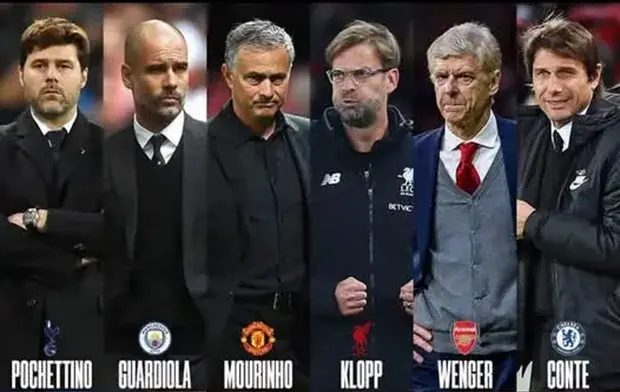
The 2026/27 Premier League season promises intense competition, and for many managers, it will be a defining period. This campaign is set to test the mettle of several bosses, from those at the top fighting for silverware to those battling relegation.
This season is particularly critical due to the lingering effects of the 2026 World Cup, which saw many key players return late to pre-season, alongside significant summer transfer activity. New managerial appointments and clubs with high expectations mean the spotlight will be unforgiving, demanding immediate results and tactical prowess from those in the dugout.
Summer Transfer Business & Squad Depth
Managerial pressure often begins with the summer transfer window, as recruitment directly impacts a team's ability to compete. For the 2026/27 season, several managers will find themselves under scrutiny based on how their squads were shaped, or perhaps, reshaped. Clubs like Manchester United, for instance, often face intense examination of their transfer dealings, with every arrival and departure dissected.Key Transfer Scenarios Impacting Managerial Pressure
Here are some common scenarios where transfer business directly influences a manager's standing:-
High-Profile Departures: Losing a talismanic figure without a like-for-like replacement can leave a gaping hole, placing immediate pressure on the manager to adapt.
-
Unfulfilled Promises: If a manager was promised significant backing in the market but key targets were missed, fan and media expectations can quickly turn sour.
-
Overspending Without Impact: Bringing in several expensive players who fail to integrate or perform can be a heavy burden, especially if the team's results do not improve.
-
Squad Imbalance: A squad with too many players in one position and not enough in another, often due to a lack of clear strategy, creates tactical headaches and limits options.
Tactical Setup & Expected Formation
The tactical blueprint a manager employs is central to their success and, by extension, the level of pressure they face. Fans and pundits alike expect a clear identity and effective system, especially when results are not going their way. Managers who struggle to implement a consistent style of play or whose tactics appear outdated will quickly find themselves on the hot seat. The ability to adapt, both during a game and across a season, is a hallmark of a manager who can withstand the Premier League's demands. For example, understanding a team's preferred formation and best XI can be key to predicting match outcomes, as seen in a Chelsea tactical breakdown.Common Tactical Pressure Points
Managers face tactical pressure from various angles, often requiring a delicate balance:-
Defensive Frailty: A team consistently conceding goals, especially from set pieces or through individual errors, points to systemic issues that the manager must resolve.
-
Lack of Attacking Threat: Inability to create chances or score goals, regardless of possession, frustrates supporters and indicates a breakdown in offensive strategy.
-
Inflexible Systems: Managers who stick rigidly to one formation or approach, even when it is clearly not working, are often criticized for their lack of adaptability.
-
Player Mismanagement: Playing key players out of position or failing to get the best out of star talents can lead to dressing room unrest and poor performances.
Key Players & Fantasy Premier League (FPL) Targets
The performance of a team's key players directly reflects on the manager, and their form can either alleviate or intensify pressure. A manager relies heavily on their star performers to deliver moments of magic and consistency, impacting both real-world results and Fantasy Premier League fortunes. When a manager cannot motivate or integrate their best players, or if those players are underperforming, the manager's position becomes precarious. Identifying potential FPL targets often involves looking at players who are central to their manager's plans and consistently deliver points.Player Performance and Managerial Standing
Here are the ways player performance can influence a manager's pressure levels:-
Star Player Underperformance: If the team's most expensive or highly-rated players are consistently failing to perform, questions will be asked of the manager's ability to get the best out of them.
-
Breakout Talents: A manager who successfully nurtures young talent or integrates new signings who become breakout stars can earn significant credit and reduce pressure.
-
Injury Crisis: While not directly the manager's fault, a prolonged injury crisis to key players can expose squad depth issues and test a manager's ability to adapt their tactics.
-
FPL Impact: For FPL managers, understanding which players are consistently favored by their coach and likely to get minutes is vital. A manager who rotates heavily can frustrate both real-world fans and FPL enthusiasts.
Opening Fixture Difficulty & Schedule Analysis
The first few weeks of a Premier League season can set the tone for a manager's entire campaign. A difficult opening run of fixtures can quickly put a manager under immense pressure, even if the team's long-term prospects are good. Conversely, a relatively 'soft' start against newly promoted sides like Coventry City, Hull City, or Ipswich Town can provide an opportunity to build confidence and gather crucial early points. Analyzing the initial schedule is a vital part of assessing a manager's immediate challenges. You can find out how to watch every Premier League match live to follow these crucial early games.Key Considerations for Early Season Pressure
Here is a table outlining how fixture difficulty impacts managerial pressure:| Fixture Scenario | Impact on Manager | Example (Hypothetical) |
|---|---|---|
| Tough Opening 5-8 Games (Top 6 Opponents) | High immediate pressure, little room for error, demands quick results against strong teams. | Manager X (Big Club): Faces Arsenal, Man City, Liverpool, Tottenham in first 6 weeks. |
| Mixed Start (Top 6 & Mid-Table) | Moderate pressure, expectation to win 'winnable' games, good performances against top teams can earn credit. | Manager Y (Mid-Table): Faces Chelsea, then Brighton, Fulham, Coventry City. |
| Soft Opening (Promoted & Lower Mid-Table) | Lower immediate pressure, high expectation for maximum points, failure to win these games is heavily scrutinized. | Manager Z (Relegation Candidate): Faces Ipswich Town, Hull City, Nottingham Forest, Everton. |
0 Comments
Comments are reviewed before they appear.No comments yet. Be the first to add one.