
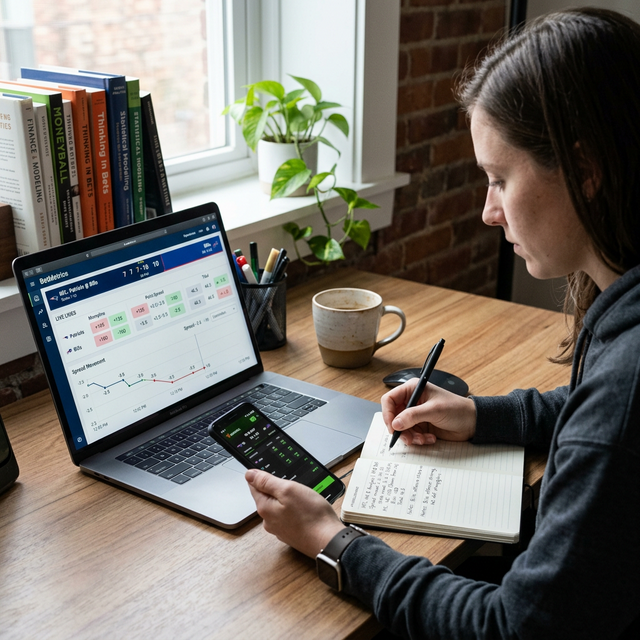
If you’ve ever checked odds for a match in the morning and then looked again later, you’ve probably noticed something unusual. The numbers change. Sometimes slightly, sometimes a lot.
For beginners, this can feel confusing. It can look like the market is unpredictable or even random.
But odds movement is not random. It follows patterns. It reflects information, money flow, and market reactions.
Once you understand how to read betting odds movement, it stops being confusing and starts becoming a useful part of your decision-making.
What Does Odds Movement Mean
Odds movement refers to changes in betting odds before a match starts.
These changes happen because:
money is being placed on certain outcomes
new information becomes available
bookmakers adjust their risk
When odds move, it usually means the perceived probability of an outcome has changed.
What Odds Movement Actually Tells You
Odds movement is not a prediction. It is a signal.
It can tell you:
where money is going
how the market is reacting
whether new information is affecting expectations
But it does not tell you what will happen.
This is where many people get it wrong. They treat odds movement as a final answer instead of a clue.
Why Betting Odds Change
Odds move for several clear reasons.
The main ones include:
heavy betting on one side
team news such as injuries or lineup changes
changes in public opinion
bookmaker adjustments to balance risk
Sometimes one factor drives the movement. Other times, several factors combine.
How Money Flow Moves Odds
One of the biggest drivers of odds movement is money.
When many people place bets on one outcome:
the odds for that outcome drop
the odds for the opposite outcome increase
This helps bookmakers reduce risk.
This is important because it shows that odds are influenced by betting behavior, not just probability.
How Information Affects Odds
Odds also change when new information becomes available.
Examples include:
key players being injured
lineup changes
weather conditions
tactical adjustments
These factors can change how likely an outcome is, which leads to odds movement.
Small Movement vs Big Movement
Not all changes carry the same meaning.
Small movements:
happen frequently
usually reflect normal betting activity
Large movements:
happen less often
usually indicate strong betting or important information
The size of the movement helps you understand its importance.
Why Timing Of Odds Movement Matters
Timing is one of the most overlooked factors.
Early movement:
reflects initial market reactions
may include speculation
Late movement:
often reflects confirmed information
tends to be more reliable
Changes close to kickoff are often more meaningful.
How To Read Odds Movement Correctly
The key is not to follow the movement blindly.
Compare Movement With Your Analysis
If your analysis supports a team and odds move in that direction, it can strengthen your confidence.
If odds move against your prediction, it is a sign to review your analysis.
Look For The Reason Behind The Movement
Always ask why the odds are changing.
is it because of news
is it because of heavy betting
is it close to kickoff
Understanding the reason helps you avoid guessing.
Do Not Replace Your Thinking
Odds movement should guide your thinking, not replace it.
This is one of the most important rules.
Odds Movement vs Probability
Odds movement changes implied probability.
When odds drop:
implied probability increases
When odds rise:
implied probability decreases
But this does not always mean the true probability has changed. Sometimes the market overreacts.
How To Spot Overreaction In Odds
Markets do not always behave perfectly.
Sometimes odds move too far in one direction.
This can happen when:
the public overreacts to news
a popular team attracts heavy betting
media influence affects perception
In these cases, odds movement may create value instead of removing it.
How Bookmakers Use Odds Movement
Bookmakers use odds to manage risk, not just predict outcomes.
When too much money is placed on one side, they adjust odds to:
reduce potential losses
balance betting activity
This means odds movement reflects both probability and risk management.
How Public Betting Influences Odds
Public betting has a strong impact on odds.
Popular teams often attract more bets, which pushes odds down.
This does not always reflect true probability.
Things to watch:
big teams attracting heavy support
media hype influencing betting
sudden spikes in betting activity
Understanding this helps you avoid following misleading signals.
Using Odds Movement With Match Analysis
Odds movement becomes more useful when combined with match analysis.
You should always consider:
team form
scoring patterns
player availability
head-to-head data
This gives you a complete picture.
Example Of Odds Movement
Example:
Team A opens at 2.20
later moves to 1.90
This suggests:
strong betting on Team A
or new information supporting them
But it does not guarantee they will win.
When Odds Movement Is Useful
It is most useful when:
it matches your analysis
it happens close to kickoff
there is a clear reason behind it
It becomes less useful when:
there is no clear reason
it is driven by public opinion
it conflicts with strong analysis
Common Mistakes To Avoid
Avoid these mistakes:
assuming odds movement predicts results
following the market blindly
ignoring the reason behind changes
reacting too quickly
These mistakes often lead to poor decisions.
Simple Approach To Odds Movement
You do not need a complicated system.
Follow this process:
check opening odds
monitor how they change
identify the reason behind movement
compare with your analysis
make your decision
This keeps your approach clear and consistent.
Practical Tip: Use Movement As Confirmation, Not Direction
A good way to use odds movement is as confirmation.
If:
your analysis supports a selection
and odds move in that direction
It strengthens your view.
But if you rely only on movement, you are guessing.
Frequently Asked Questions
What is odds movement in betting
Odds movement is the change in betting odds before a match due to betting activity or new information.
Does odds movement predict results
No. It shows market behavior, not guaranteed outcomes.
Why do odds drop
Odds drop when more money is placed on one outcome or when new information increases its perceived probability.
Should I follow odds movement
You should use it as a guide, not as the only reason for a bet.
What is the best time to read odds movement
Late movement is often more reliable because it reflects confirmed information.
Final Thoughts
Odds movement can look confusing at first, but it becomes easier once you understand what it represents.
It reflects market behavior, not certainty.
The key is to focus on the reasons behind the movement and combine it with proper analysis.
Over time, you will start to read these changes more clearly and make better decisions.
0 Comments
Comments are reviewed before they appear.No comments yet. Be the first to add one.