
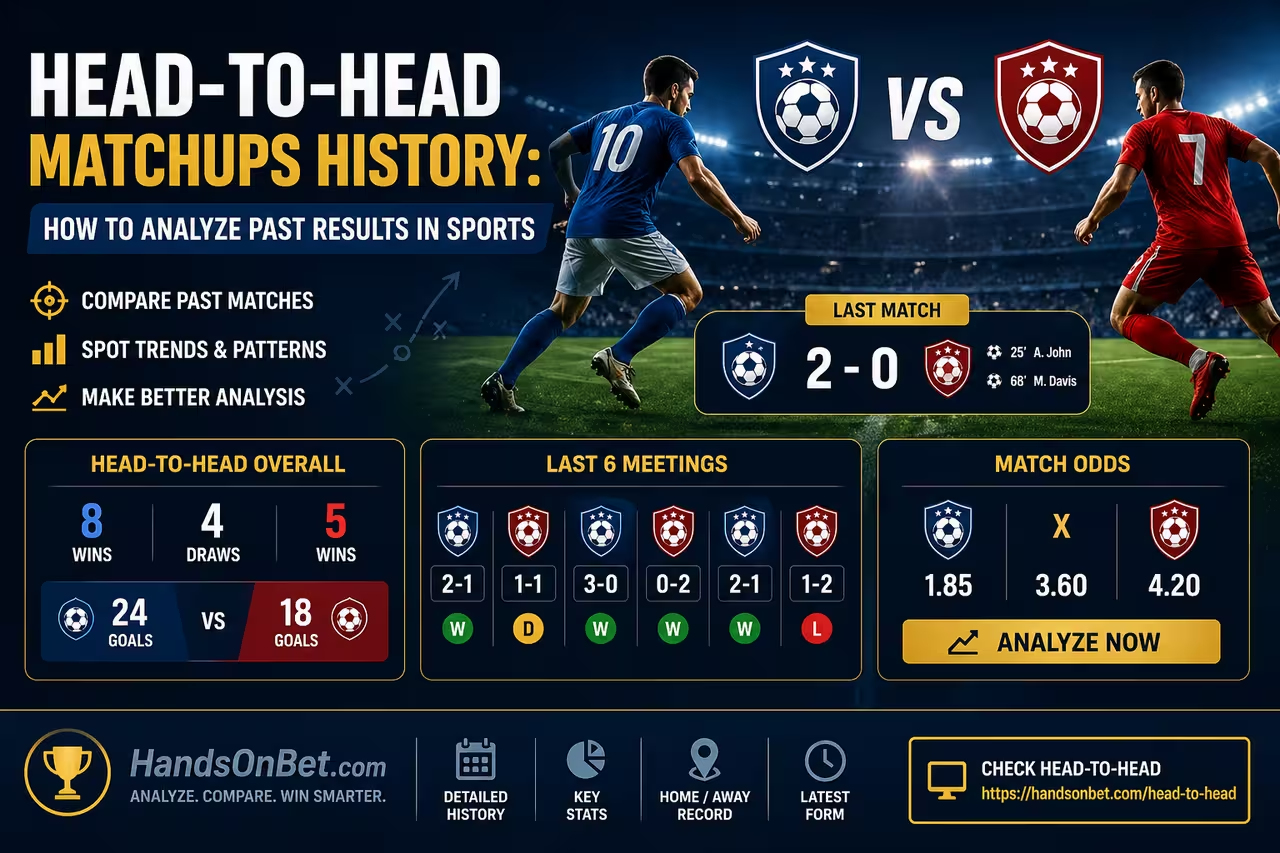
Head-to-head matchups history refers to the record of previous meetings between two teams or players. It shows how they performed against each other over time, including wins, draws, losses, and scoring patterns. This type of data is widely used in sports analysis because it helps reveal trends that are not always visible in general team statistics.
It allows you to compare teams and see their past results in a simple and clear way.
What Head-to-Head Data Really Means
Head-to-head data is more than just who won the last match. It includes:
• Total matches played
• Wins, losses, and draws
• Goals scored and conceded
• Match locations and competition type
• Recent encounters
These details help build a clearer picture of how two teams perform when facing each other. Over time, patterns often appear, such as one team consistently dominating or matches regularly producing high scores.
Why Head-to-Head Analysis Matters
Looking at past matchups helps you understand relationships between teams. Some teams perform better against certain opponents due to style, tactics, or even confidence.
For example, a team might struggle against opponents that press aggressively, even if they perform well in the league overall. Head-to-head records highlight these situations.
Research and analysis show that historical matchups can reveal patterns that influence expectations for future games, though they should not be used alone.
How to Analyze Head-to-Head Matchups Properly
To get useful insights, you need to go beyond simple win and loss counts.
1. Focus on Recent Matches
Older results may not reflect the current situation. Teams change players, coaches, and tactics.
A good approach is to look at the last 5 to 10 meetings. This gives a more realistic view of current trends.
2. Check Goal Patterns
Look at how goals are scored in these matches:
• Are games high scoring or low scoring
• Do both teams usually score
• Is there a pattern of early or late goals
These patterns can tell you a lot about how games between the teams usually play out.
3. Consider Home and Away Performance
Some teams perform much better at home than away.
Head-to-head results should be split into:
• Home matches
• Away matches
This helps you avoid misleading conclusions based on mixed data.
4. Look at Match Context
Not all matches are equal. A cup final is different from a regular league game.
Ask yourself:
• Was the match important
• Were key players missing
• Was one team already qualified or safe
Context helps you understand why a result happened.
5. Combine with Current Form
Head-to-head data is useful, but it should not be used alone.
You should also consider:
• Recent team performance
• Injuries and suspensions
• League position
• Motivation
Combining these factors gives a more balanced view.
Common Mistakes to Avoid
Many people misuse head-to-head data by relying on it too heavily.
Here are some mistakes to watch out for:
• Using very old results that no longer reflect current teams
• Drawing conclusions from only one or two matches
• Ignoring major team changes
• Assuming past results will always repeat
Head-to-head analysis works best when used as part of a wider approach.
When Head-to-Head Analysis Works Best
This type of analysis is especially useful in certain situations:
• Rivalry matches where teams meet often
• Balanced matchups where teams are close in strength
• Games where historical patterns are strong and consistent
It becomes less useful when teams have changed significantly or have not played each other recently.
Using Tools to Analyze Head-to-Head Data
Manual analysis can take time, especially when dealing with multiple matches.
That is why using a tool makes the process easier.
This helps you save time and focus on understanding the data rather than collecting it.
Frequently Asked Questions
What is head-to-head in sports
Head-to-head in sports refers to the record of past matches between two teams or players. It includes how many times they have played, who won, how many goals were scored, and how the results were distributed over time. This data helps you understand how both sides typically perform against each other rather than against other opponents.
How many matches should I check in head-to-head analysis
You should focus on the most recent 5 to 10 matches. This range is usually enough to identify patterns while still reflecting current team strength. Looking at too many older matches can give misleading results because teams change over time in terms of players, tactics, and performance levels.
Can head-to-head results predict future matches
Head-to-head results can provide useful insights, but they cannot fully predict future outcomes. They show patterns and tendencies, such as consistent dominance or frequent draws, but other factors like current form, injuries, and match conditions also play a major role. It is best to use head-to-head data alongside other information.
Why do some teams always beat certain opponents
Some teams consistently perform well against specific opponents due to tactical advantages, playing style, or confidence built over time. For example, a fast counter-attacking team may regularly defeat a team that struggles against quick transitions. These patterns often appear clearly in head-to-head records.
Is head-to-head more important than current form
No, head-to-head is not more important than current form. Current form reflects how a team is performing now, which is often more relevant. Head-to-head data adds context and helps identify patterns, but it should always be combined with recent performance, team news, and match conditions for better analysis.
Final Thoughts
Head-to-head matchups history is a valuable part of sports analysis. It helps uncover patterns, understand team dynamics, and provide context for upcoming games.
However, it should always be used alongside other factors like current form and team news. When combined properly, it becomes a powerful way to better understand how a match might unfold.
Using tools and focusing on recent, relevant data will give you a clearer and more practical view of any matchup.
0 Comments
Comments are reviewed before they appear.No comments yet. Be the first to add one.